Date Published 18 March 2026
What Is a Property Valuation and Why It Matters
A property valuation is a professional assessment of your home's current market value. This process is crucial for both buyers and sellers in the UK property market because it ensures properties are priced accurately and fairly. Lenders rely on valuations when approving mortgages, while estate agents use them to advise sellers on realistic asking prices. Valuations are typically carried out by estate agents, surveyors, or banks, depending on your purpose.
Unlike a full structural survey, a property valuation focuses primarily on market value rather than the condition of every structural element.
How Property Valuations Differ from Full Surveys
Full surveys provide a detailed inspection of a property's condition, identifying potential issues like damp, subsidence, or structural defects. A valuation, however, focuses on the property's market value based on its features, location, and recent local sales. Lenders often require a valuation to ensure the property is worth the amount being borrowed. Knowing this difference helps you avoid confusion and prepare the right information for the valuer.
What Valuers and Estate Agents Look For
Valuers and estate agents consider several key factors when assessing a property:
Location
The property's location is a major influence on its value. Factors include proximity to schools, transport links, shops, and local amenities.
Condition
The overall condition of the property matters. Completed repairs, recent renovations, and energy-efficient features can positively impact valuation.
Size and Features
Valuers consider the number of bedrooms, bathrooms, and total floor space. Additional features such as gardens, parking, or loft conversions can also add value.
Recent Local Sales
Your property is compared to similar homes in the area that have recently sold. This helps establish a fair market price based on real-world data.
Common Property Valuation Types in the UK
Mortgage Valuation
This is requested by lenders to confirm the property's value for loan approval. It is usually straightforward and focused on ensuring the lender's security.
Market Appraisal
Provided by estate agents, a market appraisal helps sellers determine a realistic asking price. It considers current market trends, buyer demand, and comparable sales.
Preparing for a Successful Property Valuation
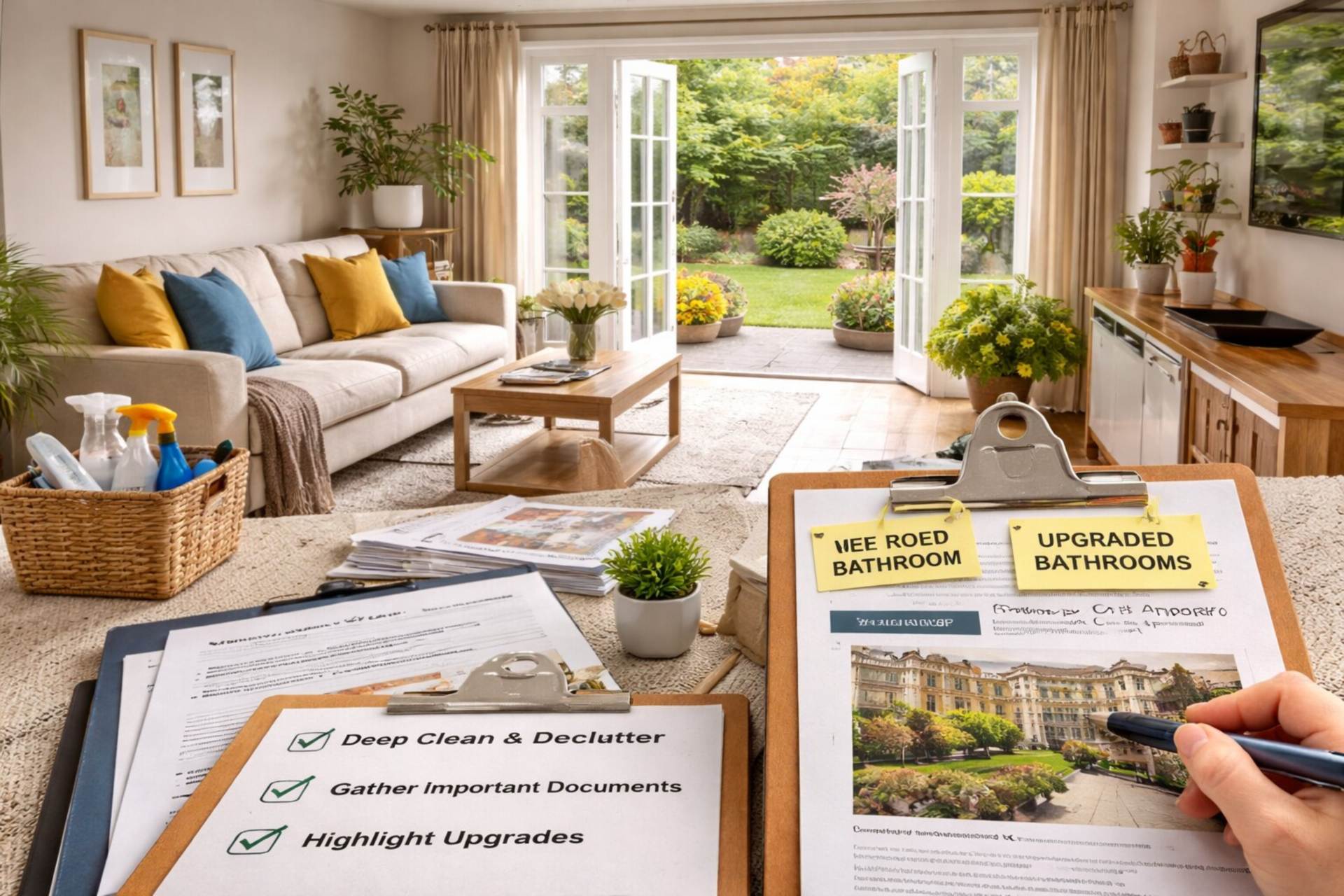
Preparation can make a significant difference to your property's valuation. Simple steps include:
● Tidying and decluttering your home
● Completing minor repairs and maintenance
● Gathering essential documents like title deeds, planning permissions, or energy performance certificates
● Highlighting improvements, upgrades, or energy-efficient features
If you want expert support to navigate your property valuation smoothly, Andrews & Gregg can help. Our experienced team provides advice, tailored property appraisals, and guidance to ensure your valuation appointment is successful. Contact us today to book a consultation.
Preparing Your Property for a Valuation
A property valuation is an important step whether you are selling your home, remortgaging, or simply checking its current market value. Making a strong impression on the valuer can influence the outcome and ensure your property is accurately assessed. Proper preparation helps highlight your home's best features and demonstrates that it has been well cared for. Here are the key steps to prepare effectively.
Declutter with Intention
Decluttering is not just about tidying up; it is about creating a neutral space that allows the valuer to see your property's full potential. Remove personal items, excess furniture, and anything that may distract from the space. Consider storing larger items temporarily to make rooms appear more spacious. A clean, open environment helps the valuer focus on the property itself rather than the owner's belongings.
Strategic Repairs
Focusing on visible and high-impact improvements can make a significant difference. Simple repairs such as fixing leaking taps, patching up scuffed walls, or repairing broken handles demonstrate that the property is well maintained. Tidying the garden and pruning hedges can enhance outdoor spaces, which is especially important in UK homes where kerb appeal is closely considered. Prioritise fixes that are noticeable and cost-effective, as small details can influence the overall valuation.
Lighting and Staging Tricks
Good lighting can completely change a room's perception. Open all blinds and curtains, switch on every light, and ensure rooms are bright and welcoming. Furniture arrangement also matters. Position key pieces to highlight space and flow, making rooms appear larger and more functional. Adding small touches, such as fresh flowers or neatly placed cushions, can subtly improve the atmosphere without overcomplicating the space.
Boosting Kerb Appeal
First impressions count. For UK homes, simple measures can significantly boost external appeal. Tidy the front garden, power wash driveways and paths, and ensure gutters are clean. A freshly painted front door or clean windows can make the home feel well looked after and inviting. The exterior often forms the valuer's first impression, so attention here can positively influence their overall assessment.
Creating a Walkthrough Checklist
Make it easy for the valuer to inspect all areas of your property. Ensure lofts, basements, and exterior spaces are accessible and free from obstruction. Preparing a walkthrough checklist helps you stay organised and ensures nothing is overlooked during the inspection.
Property Highlights Sheet
Many homeowners forget this simple step. A 'property highlights sheet' summarises the key features and improvements of your home for the valuer. Include details such as recent upgrades, energy-efficient installations, or unique characteristics. This concise document draws attention to the best aspects of your property and helps the valuer recognise its full value.
Documents & Information You Should Prepare
Preparing for a property valuation can seem overwhelming, but taking the time to organise the right documents and information can make the process far smoother. Being well-prepared not only helps the valuer understand your property's true value but also allows you to highlight key features that could positively influence the final assessment.
Legal and Official Documents
Start by gathering all essential legal and official paperwork. These documents provide verification of ownership and property details, which form the foundation of any valuation. Key documents to prepare include:
● Title Deeds and Land Registry Information – Confirm your ownership and property boundaries.
● Energy Performance Certificate (EPC) – Demonstrates the energy efficiency of your home, which is increasingly important in modern valuations.
● Building Permits and Planning Approvals – If you have carried out structural changes, loft conversions, or extensions, these confirm that the work was legally approved.
Having these documents organised shows the valuer that your property is properly maintained and compliant with regulations, creating a solid first impression.
2. Renovation and Maintenance Records
Renovations and maintenance play a significant role in property valuation, but only if they are documented. Prepare records of:
● Receipts for improvements such as kitchen upgrades, bathroom refurbishments, or flooring replacements.
● Warranties for appliances, heating systems, or other major installations.
● Approvals for any structural or cosmetic alterations.
Well-documented improvements often justify a higher valuation and reassure valuers that the property has been properly cared for.
3. Local Market Insights
Valuers will always consider comparable properties when determining value. Doing a little research in advance can help you provide context and highlight your home's advantages:
● Compile recent sales of similar properties in your area.
● Note any features that make your property stand out, such as a larger garden, higher-quality finishes, or convenient location.
● Mention improvements that may not be typical for similar homes, such as upgraded insulation, solar panels, or smart home systems.
●
Providing these insights helps the valuer understand your property's position within the local market and ensures your unique advantages are considered.
4. Feature Checklist
Create a checklist of notable property features to ensure they are discussed during the valuation:
● Loft conversions or extensions
● Smart home technology and security systems
● Eco-friendly upgrades, including solar panels, insulation, or energy-efficient appliances
● Modern kitchen or bathroom fittings
Highlighting these features can make a significant difference in the valuation. Many valuers are beginning to factor in energy efficiency and smart technology when assessing properties, so clearly presenting this information ensures nothing is overlooked.
5. Digital Organisation Tip
Consider storing your documents digitally on a tablet, laptop, or secure cloud folder. This allows easy access during the appointment and ensures you can quickly provide any requested information. Digital organisation also conveys professionalism and helps the valuer focus on the property itself rather than searching for paperwork.
During and After the Valuation Appointment
Preparing for a property valuation appointment is only half the battle. How you handle the appointment itself and what you do afterward can significantly influence the process and outcome.
Valuation Walkthrough Etiquette
During the appointment, it is important to be present but unobtrusive. Homeowners should answer the valuer's questions factually without trying to oversell the property. Highlighting minor improvements or unique features can help, but it is best to let the valuer guide the walkthrough. Staying calm and professional ensures the process runs smoothly and leaves a positive impression. Remember, valuers are trained to assess objectively, so letting them do their job without pressure is crucial.
Engaging the Valuer
Engaging the valuer politely is a good strategy to ensure all your property's strengths are noted. Use a prepared sheet of improvements, renovations, or upgrades that may not be immediately obvious. For example, energy-efficient installations, loft conversions, or recent kitchen and bathroom upgrades can add value. Politely mentioning these details without overemphasising them shows that you are organised and aware of your property's features.
Understanding the Valuation Report
Once the valuation is complete, the valuer will provide a report. Understanding this document is essential. The report outlines the factors affecting the final valuation, such as property size, condition, location, and comparable local sales. Some elements of the valuation may be negotiable, especially if you have supporting evidence of improvements or unique features. Reviewing the report carefully can help you decide whether to accept the valuation or consider alternatives.
Next Steps if the Valuation Is Lower Than Expected
If the valuation comes in lower than anticipated, homeowners have options. You might request a second opinion from another professional, make minor improvements to boost value, or negotiate with potential buyers or lenders based on supporting documentation. Taking proactive steps can help protect your investment and ensure you get a fair assessment.
Learning from Feedback
Valuers often provide comments that can guide future improvements or resale preparations. Documenting the visit with notes or photos is a helpful method not commonly suggested but very effective. This approach allows homeowners to track areas for renovation, plan upgrades strategically, and reference these insights during future valuations or sales..
Unlock Your Property's True Worth Today
A careful preparation for property valuation ensures you secure the most accurate and fair assessment. At Andrews & Gregg, drawing on years of experience from our Dundonald and Bangor estate agent franchise, we provide free sales and rental valuations, professional marketing, and expert negotiation support. We make sure every property achieves its full potential. Get in touch with us today at 028 9146 5000 to book your valuation with our dedicated team.
Andrews and Gregg are an independent estate agency based in Bangor, serving homeowners across North Down including Bangor, Newtownards, Donaghadee, Holywood, Crawfordsburn and Helen's Bay. Whether you are selling, buying or letting your property, our experienced team offers free property valuations and a personal, professional service. Contact us today on 028 9146 5000 or visit andrewsandgregg.com