Date Published 18 March 2026
Trying to understand why your property is not attracting offers can be both stressful and financially draining. When a home lingers on the market, it can disrupt future plans, increase holding costs, and create uncertainty. In the UK property market, several factors can influence whether a sale progresses smoothly or stalls completely. From pricing strategy to kerb appeal, from choosing the right estate agent to responding to market conditions in the current market, each detail matters. This guide explains the most common causes and provides practical solutions tailored to UK homeowners.
Understanding How the UK Housing Market Works
The UK housing market operates on supply and demand. When demand is high and available properties are limited, sellers often achieve strong offers. However, when supply outweighs demand, buyers have greater negotiating power. Pricing strategy is therefore critical. Overpricing can deter viewings, while underpricing may raise concerns about hidden issues.
Buyers today are informed and cautious. They compare similar properties, analyse local sold prices, and assess value carefully before making an offer. Mortgage rates, economic stability, and seasonal trends also influence buyer confidence. Understanding these dynamics allows sellers to position their property competitively rather than emotionally.
First Impressions and Online Visibility Matter
Most buyers begin their property search online. They browse listings on major portals, scroll through photographs, and quickly decide whether a property is worth viewing. High quality images, clear floor plans, and compelling descriptions are no longer optional. They are expected.
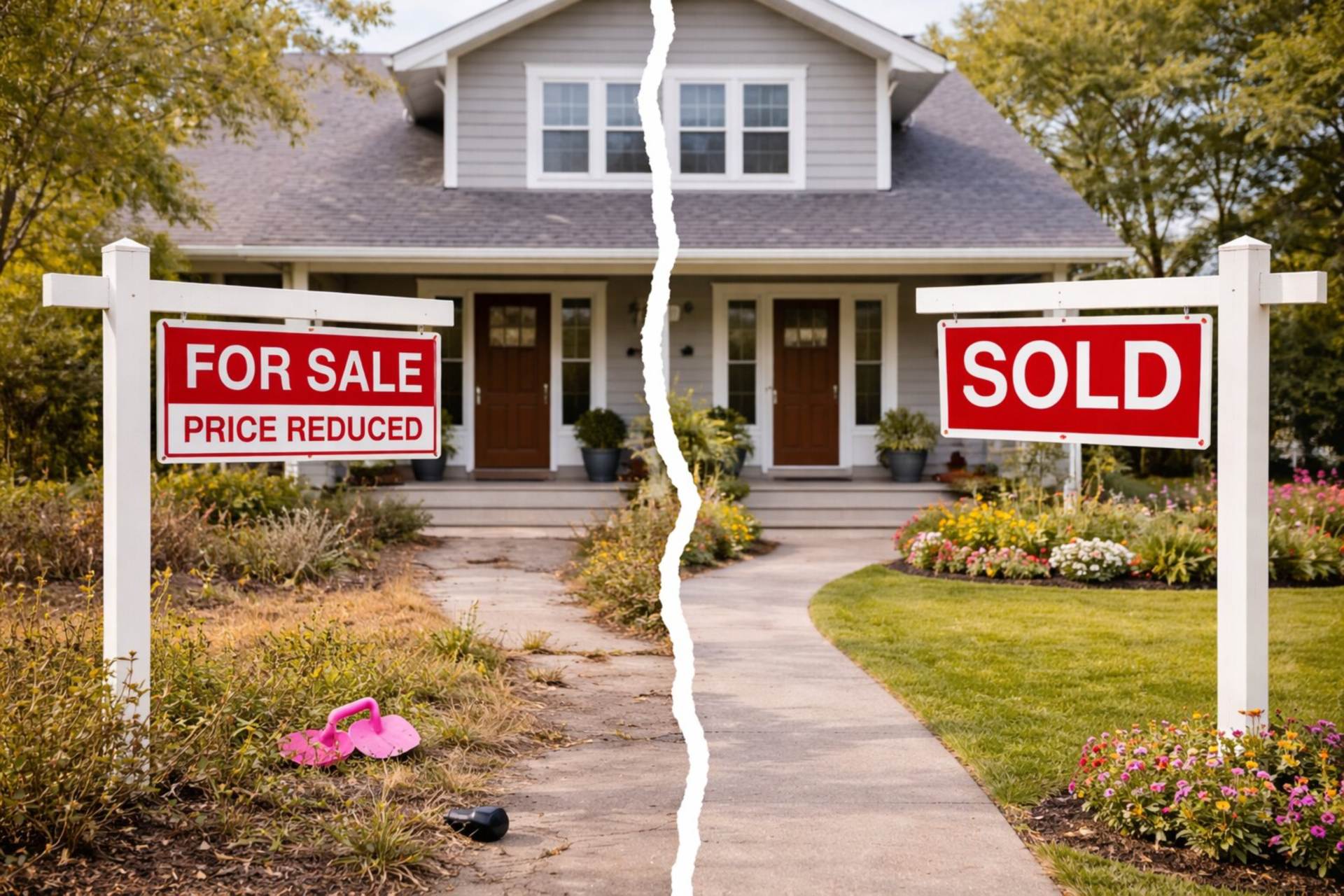
First impressions extend beyond digital presentation. When potential buyers arrive for a viewing, exterior appearance plays a crucial role. A tidy entrance, clean windows, and a well maintained garden significantly improve perception. Small improvements can increase perceived value and generate stronger interest.
Why Properties Struggle to Sell
Rarely is there a single reason a property fails to sell. More often, multiple factors combine to slow progress. An ambitious asking price paired with limited marketing exposure can reduce enquiries. A property that needs cosmetic updates may struggle if buyers are seeking move in ready homes. Shifts in buyer sentiment or lending criteria can also reduce activity.
Feedback from viewings is invaluable. If prospective buyers consistently highlight the same concern, it is wise to address it promptly. Adjustments in price, presentation, or marketing strategy can reignite interest.
Main Causes a Property Fails to Sell in the UK
Selling a property in the UK can be more challenging than many homeowners anticipate. If your home has been on the market longer than expected, it can feel frustrating and stressful. Often, there are common reasons why a property struggles to attract buyers, and understanding these causes is the first step toward a successful sale.
1. Unrealistic Asking Price
One of the most common reasons a property fails to sell is an unrealistic asking price. Pricing your home too high compared with similar properties in your area can discourage buyers from even viewing it. Overpriced listings often give the impression that the property is not worth the investment.
Tips to adjust your asking price:
● Research recent sales of comparable homes in your area.
● Obtain multiple valuations from reputable estate agents.
● Consider adjusting the price if your property has been on the market for several weeks with minimal interest.
2. Poor First Impressions and Kerb Appeal
First impressions play a crucial role in attracting buyers. A cluttered garden, worn exterior paint, or untidy entryway can make a home feel neglected. Buyers often make decisions before even stepping inside, so kerb appeal is critical.
Ways to improve kerb appeal:
● Keep the garden tidy and well-maintained.
● Paint doors and fences to refresh the exterior look.
● Remove unnecessary clutter from entrances and pathways.
3. Ineffective Marketing and Poor Photos
In today's property market, most buyers start their search online. Listings with poor-quality photos, incomplete floor plans, or missing virtual tours often fail to capture attention. Professional marketing is essential to make your property stand out.
Effective marketing strategies include:
● Investing in professional photography.
● Creating detailed floor plans.
● Using virtual tours to showcase your home's layout and features.
4. Poor Property Condition
A home that shows signs of neglect or outdated décor can deter buyers. Many UK buyers prefer properties that are move-in ready, meaning minor repairs, damp issues, or obvious DIY problems can significantly impact interest.
Ways to improve property condition:
● Address small repairs such as leaking taps or broken fixtures.
● Repaint walls in neutral colours to appeal to a wider audience.
● Update worn fittings or flooring where possible.
5. Wrong Estate Agent or Limited Exposure
Selecting the right estate agent is vital. An agent who does not fully promote your property across key platforms like Rightmove or Zoopla may limit your exposure and reduce the number of potential buyers.
Considerations when choosing an agent:
● Review their track record for selling properties in your area.
● Ensure they actively market your property across multiple channels.
● Ask for regular updates on buyer interest and feedback from viewings.
6. Location Challenges
While you cannot change your property's location, it can affect its appeal. Proximity to busy roads, industrial areas, or less popular neighbourhoods can influence buyer decisions. Highlighting local advantages can help mitigate these challenges.
Ways to offset location drawbacks:
● Promote nearby schools, parks, or amenities.
● Emphasise good transport links and community facilities.
● Showcase unique features that make your property stand out.
7. Market Conditions and Timing
Market conditions and timing play a significant role in property sales. Slow markets, high interest rates, or listing during off-peak seasons can impact buyer activity. Understanding the current market allows homeowners to adjust their strategy.
Tips for adapting to market conditions:
● Monitor local property trends and pricing.
● Be flexible with offers and negotiations.
● Consider listing your property during periods of higher buyer activity.
Solutions: How to Help Your Property Sell Faster
Selling a property in the UK can be challenging, especially when your home has been on the market longer than expected. Fortunately, there are practical strategies that can significantly increase your chances of a faster sale. Understanding what buyers are looking for and tailoring your approach to the current market is key. Below, we outline proven solutions that address the common obstacles preventing your property from selling.
1. Price Realistically
Setting the right price from the start is crucial. A property that is overpriced can sit on the market for months without attracting serious buyers. Use multiple valuations from reputable sources and consider adjusting the asking price if your property is not generating interest. Competitive pricing positions your home more attractively and encourages potential buyers to schedule viewings.
2. Boost Kerb Appeal
First impressions matter. Kerb appeal plays a huge role in how buyers perceive your property before they even step inside. Simple improvements, such as tidying the garden, repainting the exterior, or cleaning the front entrance, can make your home more inviting. When a property looks well-cared-for from the outside, buyers are more likely to engage and schedule a viewing.
3. Upgrade Marketing
Effective marketing ensures your property reaches the right audience. Investing in professional photography, detailed listings, and virtual tours can showcase your home in the best light. High-quality images and an informative description on popular UK property portals can make a significant difference, particularly when buyers are browsing online listings.
4. Improve Presentation and Staging
Decluttering and neutralising the décor can help potential buyers envision themselves living in your property. Minor repairs, fresh paint, and careful staging of key rooms make your home more appealing and create a positive impression during viewings.
5. Choose the Right Agent
An experienced estate agent can guide you through the selling process, advise on pricing, and execute effective marketing strategies. Compare agents' track records, fees, and the marketing support they offer to ensure you choose someone capable of selling your property efficiently.
6. Highlight Local Amenities
Buyers often consider more than just the home itself. Highlighting nearby schools, transport links, parks, and community facilities can make your property more attractive and provide added value in their decision-making process.
7. Timing and Market Awareness
Understanding local market conditions and trends is essential. Timing your listing to coincide with periods of higher demand can improve visibility and increase the likelihood of receiving offers. Being aware of the current market ensures your approach is strategic and informed.
What Sellers Should Know
Selling a property in the UK can be challenging if you are not familiar with how the system works. Understanding the process, legal requirements, and local market conditions is essential for making informed decisions and achieving a successful sale.
Understanding UK Property Transactions
UK property transactions differ from those in many other countries. Estate agents play a central role, handling everything from marketing your property and arranging viewings to negotiating offers and liaising with solicitors. Most listings appear on major online portals such as Rightmove, Zoopla, and OnTheMarket, which significantly increases your property's visibility. Choosing an experienced local agent can help ensure your property reaches the right buyers quickly and effectively.
Legal Requirements and Documentation
Sellers in the UK must provide accurate legal documentation to potential buyers. The Property Information Form, also called the TA6, asks for details about boundaries, utilities, disputes, and any previous work done on the property. For leasehold properties, additional documentation is required, including lease terms and service charge information. Completing these forms carefully and honestly builds buyer trust and can prevent delays during the conveyancing process.
Importance of Local Market Data
Local market trends and house price data are crucial when deciding your asking price. Prices can vary widely between regions, with areas like London and the south-east behaving differently than regions in the North or Scotland. Staying updated with recent trends allows you to price your property competitively, attracting serious buyers while protecting your investment.
Expert Support to Sell Your Property Successfully
Selling a property can be stressful when it isn't attracting buyers. At Andrews & Gregg, with our experience from running a long-standing estate agent franchise in Dundonald and Bangor, we provide expert guidance in property sales and lettings. From free valuations and marketing to negotiation support, we ensure every step is handled efficiently. Let us help you achieve a successful sale. Call us today on 028 9146 5000 to see how we can make your property stand out.
Andrews and Gregg are an independent estate agency based in Bangor, serving homeowners across North Down including Bangor, Newtownards, Donaghadee, Holywood, Crawfordsburn and Helen's Bay. Whether you are selling, buying or letting your property, our experienced team offers free property valuations and a personal, professional service. Contact us today on 028 9146 5000 or visit andrewsandgregg.com